Understanding the Significance of Construction Accountancy for Effective Project Administration
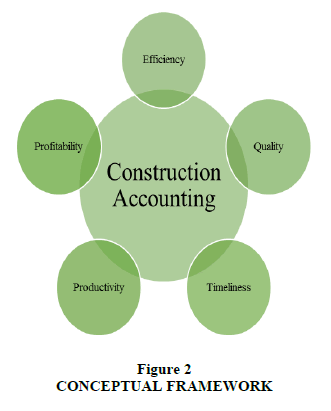
Duty of Building And Construction Accounting
Building audit works as the backbone of financial administration in the building and construction industry, ensuring that jobs are completed within spending plan and financial goals are fulfilled. construction accounting. This customized accounting method addresses the distinct difficulties dealt with in building jobs, including varying task periods, rising and fall prices, and multiple stakeholders
Among the primary roles of construction bookkeeping is to supply exact price estimate and monitoring throughout the job lifecycle. This facilitates educated decision-making, enabling task supervisors to readjust timelines and resources properly. In addition, building and construction bookkeeping boosts cash money circulation management by monitoring accounts payable and receivable, therefore ensuring that funds are available for prompt settlements to subcontractors and vendors.
It furnishes project supervisors with the necessary monetary information to prepare detailed financial declarations, which are essential for audits and monetary testimonials. Ultimately, the function of building audit prolongs past mere monetary monitoring; it is integral to calculated preparation and operational efficiency, driving the success of building projects in a competitive landscape.
Trick Components of Building Audit
Budgeting develops a monetary framework that overviews job execution, permitting managers to allocate sources effectively and anticipate possible monetary obstacles. Precise cost monitoring is necessary for tracking expenditures in real-time, assisting to determine variations between projected and real costs. This enables timely adjustments to keep the project on spending plan.
In addition, financial reporting provides stakeholders with a clear picture of the job's financial wellness. Regular reports, such as earnings and loss statements and cash money flow analyses, promote informed decision-making and improve openness among all celebrations entailed.
Additionally, conformity with sector policies and accountancy standards is vital. This ensures that monetary techniques are not just effective however additionally lawful, protecting the company versus legal consequences. By incorporating these vital components, building accounting promotes an organized strategy to taking care of funds, eventually adding to the effective conclusion of construction projects.
Benefits for Project Managers
Leveraging effective building and construction audit techniques gives task supervisors with a multitude of advantages that boost both functional effectiveness and monetary oversight. One significant advantage is boosted spending plan monitoring. Precise tracking of expenses and revenues permits job managers to keep track of financial performance in real time, making sure jobs remain within budget and promoting prompt modifications when required.
Furthermore, building and construction audit enhances capital monitoring, allowing project supervisors to enhance and anticipate economic requirements resource appropriation. By comprehending cash inflows and discharges, they can better take care of repayments to subcontractors, staff members, and providers, therefore staying clear of expensive hold-ups.
Additionally, durable accounting systems give extensive coverage capabilities. Job supervisors can generate reports that supply insights into task profitability, expense differences, and resource usage. This data-driven strategy fosters notified decision-making, permitting managers to determine possible concerns proactively and implement restorative actions.
Lastly, adherence to building audit standards makes sure conformity with legal and regulative demands, reducing the danger of conflicts or penalties. On the whole, effective building and construction bookkeeping outfits task supervisors with the tools needed to drive project success, enhance stakeholder confidence, and promote view it now long-lasting organizational growth.
Usual Difficulties in Building And Construction Audit
Many job supervisors run into substantial obstacles in construction accounting that can impede job success. Among the key obstacles is the intricacy of tracking numerous task sites, each with distinct budgets, timelines, and source appropriations. This calls for careful interest to detail, which can be overwhelming without a durable accountancy system in location.
Furthermore, varying material prices and labor prices can complicate budget monitoring, making exact forecasting difficult. Task supervisors typically have a hard time to fix up these costs with real expenditures, resulting in possible monetary discrepancies.
Moreover, building and construction bookkeeping involves conformity with various laws, including tax commitments and labor regulations. Browsing these guidelines can be complicated, especially for supervisors who may not have a solid bookkeeping history.
One more substantial difficulty is managing capital, which is essential in the building and construction market. Delays in invoicing, settlements from customers, or unexpected job modifications can produce informative post cash flow scarcities, endangering the project's progression.
Lastly, efficient communication in between job supervisors, accountants, and field teams is important. Misconceptions can lead to unreliable financial coverage, additionally making complex project administration initiatives. Dealing with these difficulties proactively is important for effective building and construction accounting.

Finest Practices for Effective Audit
While browsing the intricacies of building accountancy can be daunting, adopting best practices can significantly enhance financial management and project success. One fundamental practice is preserving timely and accurate records. Executing durable bookkeeping software application tailored to construction tasks can enhance data entry, invoicing, and coverage, minimizing errors and saving time.
In addition, developing a clear budget and normal tracking against this spending plan are vital. Utilizing a system of periodic monetary reviews permits job managers to recognize variations early, helping with prompt decision-making. It is also vital to different job prices into straight and indirect groups, allowing more clear insights right into success.
An additional finest technique includes cultivating open communication amongst all stakeholders. Regular updates and collective conversations regarding economic status can make certain everybody is straightened and informed. Training team in construction-specific accounting principles better improves expertise and precision.
Finally, making certain compliance with appropriate audit standards and guidelines is non-negotiable. Regular audits and interior testimonials add to openness and accountability, constructing depend on with stakeholders and customers. By concentrating on these best methods, construction companies can enhance their accounting procedures, eventually driving project success and monetary security.
Verdict
To conclude, construction audit plays a critical role in making sure successful project monitoring by facilitating accurate economic oversight and enhancing decision-making. By incorporating essential components such as cost evaluation, capital management, and compliance, project supervisors can navigate typical difficulties and take advantage of finest methods for efficient bookkeeping. Eventually, a robust construction accounting framework not just safeguards spending plan honesty yet likewise adds to the general financial health of construction tasks, cultivating lasting success within the market.
By integrating these vital parts, building bookkeeping fosters an organized technique to handling financial sources, inevitably contributing to the successful conclusion of building projects.
Exact tracking of expenses and earnings permits job managers to check monetary performance in genuine time, guaranteeing tasks stay within budget and promoting timely adjustments when needed.
Project supervisors can generate records that provide understandings into task success, price variations, and source usage.Several job supervisors experience substantial difficulties in building and construction bookkeeping that can prevent job find this success. construction accounting. Inevitably, a robust building and construction audit framework not just safeguards budget stability yet also contributes to the total financial health and wellness of building and construction projects, promoting lasting success within the industry